Powell River Top General Contractor for Complete Renovation Services
Powell River Top General Contractor for Complete Renovation Services
Blog Article
General Contractor: Your Leading Expert for Home Projects
A general contractor plays an essential role in home projects. They oversee different elements of construction, guaranteeing that all operations proceed without issues. Their knowledge in construction regulations and regulations allows them to navigate the intricacies of permits and inspections. This professional serves as a critical link between homeowners and specialized tradespeople. However, many homeowners remain unsure about the complete range of their services. Comprehending these details can significantly impact the outcome of any renovation endeavor.
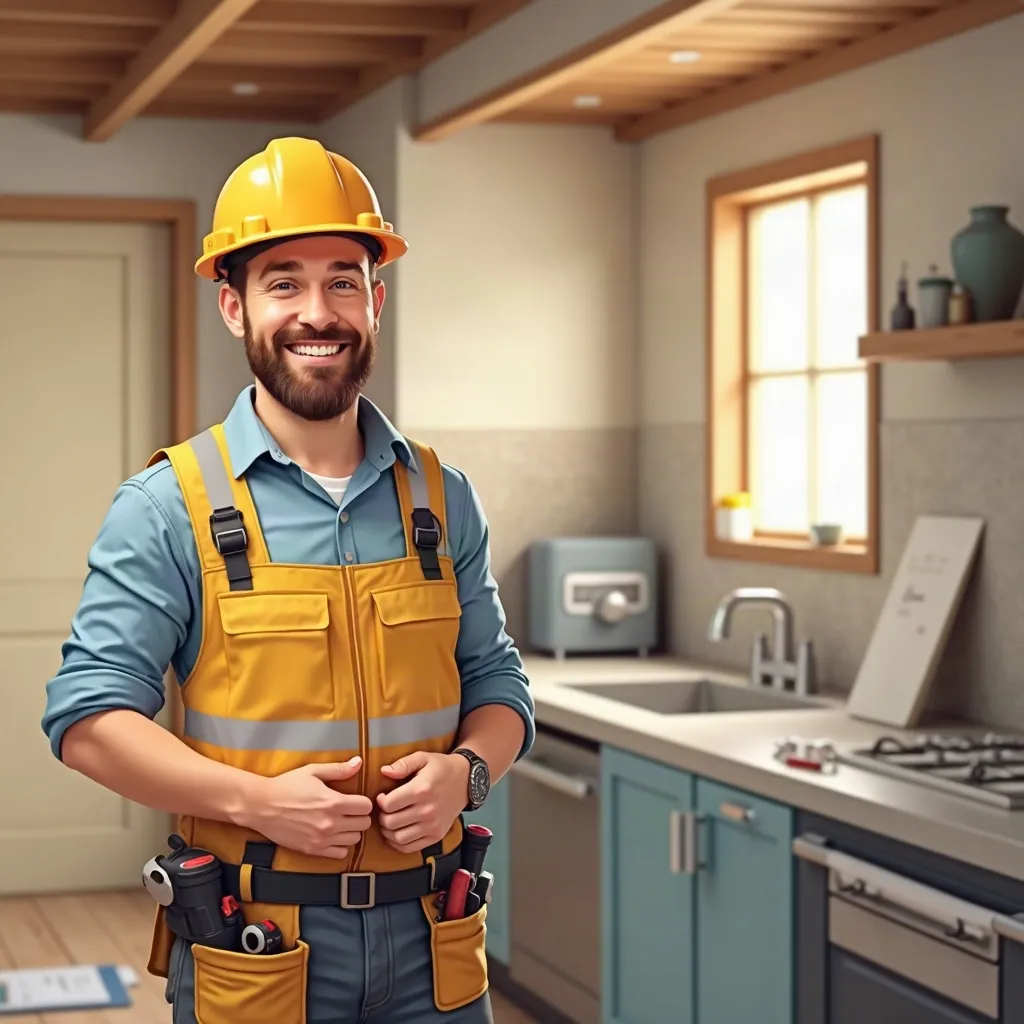
What Is the Role of a General Contractor Accomplish?
A project overseer directs the multiple aspects of a building project, ensuring that everything runs smoothly from start to finish. They serve as the chief communication hub, handling communication between clients, subcontractors, and suppliers. This responsibility encompasses structuring the work schedule, supervising labor, and verifying conformity with area construction rules and regulations.
General contractors are in charge of acquiring required licenses and arranging inspections, which are vital for upholding safety and quality benchmarks. They also handle budgeting, sourcing materials, and managing on-site activities to prevent any possible setbacks or complications. In addition, they supervise subcontractors, ensuring that each phase of construction aligns with project specifications and timelines. Overall, a general contractor's expertise and organizational skills are essential to completing a successful construction project, turning a client's vision into reality while managing multiple duties and obligations.
Benefits of Contracting a General Contractor for Home Improvements
Bringing on a a skilled builder for property remodeling offers numerous benefits that can greatly improve the efficiency and quality of the project. Experienced contractors deliver expertise in overseeing projects, ensuring timelines are met and resources are allocated efficiently. Their strong relationships with subcontractors can lead to competitive rates and superior workmanship, which ultimately helps property owners money and time.
Additionally, general contractors manage the intricate details of permits and inspections, minimizing potential legal issues. They also establish a centralized coordinator, simplifying exchanges and synchronization among assorted contractors. This efficiency reduces the likelihood of misunderstandings and delays.
Furthermore, their expertise enables them to anticipate possible issues, facilitating preventative measures to maintain the project on track. By engaging a general contractor, homeowners can concentrate on their vision while enjoying peace of mind, understanding that a professional is overseeing every aspect of the renovation.
Debunking Misconceptions About General Contractors
Many property owners may hold misconceptions about contracting professionals, but understanding the facts can lead to more better decisions. A prevalent myth is that hiring a contractor is not needed for minor projects; yet, their ability can streamline even small-scale renovations, ensuring alignment with local codes. Another frequent belief is that general contractors are simply middlemen, but they usually possess wide knowledge in various trades, allowing them to manage projects successfully. Furthermore, some homeowners think that collaborating with a contractor will considerably inflate costs. In truth, a skilled general contractor can often attain better discounts for materials and labor due to established relationships with vendors and subcontractors. Lastly, many believe that contractors are unadaptable, but esteemed contractors emphasize client communication and work closely to fulfill tailored needs. Debunked myths can empower clients to make the most of the actual value of general contractors in completing successful home projects.
Selecting the Right General Contractor?
How can homeowners ensure they choose the right general contractor for their undertakings? The approach begins with comprehensive investigation. Property owners should obtain suggestions from friends, family, and online reviews to identify qualified contractors. Once a list is compiled, confirming qualifications, such as licensing, bonding, and insurance, is essential to confirm credibility.
Next, property owners should request and review portfolios of past projects, concentrating on assignments of comparable size. Setting up interviews allows homeowners to assess fit, covering schedules, costs, and requirements. It's also advisable to get several estimates for evaluation, providing a better grasp of expenses.
Verifying references offers understanding of a contractor's dependability and expertise. Ultimately, relying on your gut feeling is crucial; an initial meeting can uncover a contractor's way of communicating and methodology. By implementing these procedures, homeowners can significantly boost their likelihood of picking a general contractor who matches their requirements and aspirations.
Effective Dialogue Strategies With Your General Contractor
How might homeowners apply techniques to secure proper interaction with their general contractor? Creating direct communication from the commencement is vital. Homeowners must clearly express their requirements, project objectives, and cost parameters during opening conversations. Regular updates can be supported through organized conferences, guaranteeing that both parties stay aligned throughout the project.
Applying documented evidence, such as emails or project logs, strengthens spoken commitments and minimizes misunderstandings. Homeowners should likewise foster open communication by inviting feedback and questions from the contractor, fostering a collaborative environment.
Moreover, utilizing technology, including project management apps, can streamline communication by offering a unified platform for sharing updates, timelines, and changes. Finally, remaining respectful and approachable can enhance connection, making it simpler for the contractor to convey challenges or suggestions effectively. By employing these approaches, homeowners can cultivate a productive and open relationship with their general contractor.
What to Prepare For When Your Project Begins?
As the initiative begins, homeowners can expect a burst of work on-site. The general contractor will organize teams of skilled tradespeople, such as electricians, plumbers, and carpenters, who will start their tasks following the predetermined schedule. Homeowners may observe heavy machinery and materials being brought in, generating a bustling atmosphere.
Staying in contact is essential during this phase. The contractor will deliver information on how things are progressing and address any concerns that emerge. Homeowners should ready themselves for potential disruptions, such as noise and limited access to particular areas of the home.
Safety safeguards will be in place to defend both workers and residents, ensuring a secure environment. Additionally, homeowners may be encouraged to sustain flexibility, as unforeseen issues can arise, compelling adjustments to the original plan. Overall, this initial phase creates the conditions for the successful completion of the project, and active engagement is essential.
Key Topics for Your Primary Contractor Arrangement?
Identifying the appropriate inquiries to pose when concluding a general contractor thorough guide agreement is vital for ensuring a smooth project. Homeowners should ask about the contractor's credentials and protection to verify their qualifications and protection against liabilities. Understanding the project timetable and checkpoints is meaningful; therefore, asking about estimated completion dates helps regulate expectations.
It is also necessary to communicate financial specifications, such as down payments and payment schedules, to ward off misunderstandings. Homeowners should secure a detailed breakdown of costs, highlighting materials and labor, to assure accountability. In addition, deliberating on the system for addressing alterations or unforeseen issues can avert disagreements later.
In conclusion, homeowners should investigate details about subcontractors and their qualifications, as well as the contractor's communication approach throughout the project. By considering these questions, homeowners can establish a productive relationship with their general contractor, ultimately achieving a successful home project.
Common Questions Posed Often
How Do General Contractors Bill for Their Services?
General contractors commonly bill via set fees, hourly rates, or a cut of the total project price. Their pricing may also include materials, human resources, and overhead, determined by the level of complexity and project scope.
Can a General Contractor Provide Assistance With Requirements and Inspections?
Yes, a general contractor can aid in obtaining permits and managing inspections. They typically handle local regulations and ensure compliance, streamlining the process for homeowners while facilitating necessary approvals throughout the building project.
What Background Should I Consider in a General Contractor?
When hiring a general contractor, one should review professional credentials such as valid licensing, comprehensive insurance, background with comparable initiatives, excellent references, and strong interpersonal abilities, ensuring they possess the essential qualifications to manage the project successfully.
What Timeframe Should You Expect for a Standard Home Remodeling Project?
A typical home remodeling undertaking can take anywhere from a few weeks to several months, depending on the scale, complexity, and size of the project, as well as the availability of materials and labor.
What Happens if My Project Exceeds Financial Limits?
Should a project go over budget, the builder typically discusses the causes and alternatives with the homeowner. Modifications may involve scaling back, seeking additional funding, or adjusting the project parameters to align with budget constraints.
Report this page